




If you are an E-commerce retailer, it is time to implement security measures to prevent Customer Journey Hijacking. Avoid financial and reputational losses. Increase your Holiday sales.
From healthcare to financial services, we see new players coming up with innovative solutions all the time, and the E-commerce industry is no different.
With growing customer expectations and an extremely competitive landscape, E-commerce retailers are actively trying to retain their customer’s interest. But because people keep having shorter and shorter attention spans online, that’s not an easy task.
There’s a significant amount of work involved for retailers to optimize their website pages so that they can maximize their conversion rates.
Despite this big push to stand out from the competition and provide a great user experience, E-commerce retailers still have to deal with other threats.
Amongst those, is an attack called Customer Journey Hijacking, which consists of cyber attackers or competing companies actively trying to target E-commerce customers while they visit other E-commerce websites.
What does a Customer Journey Hijacking attack look like?
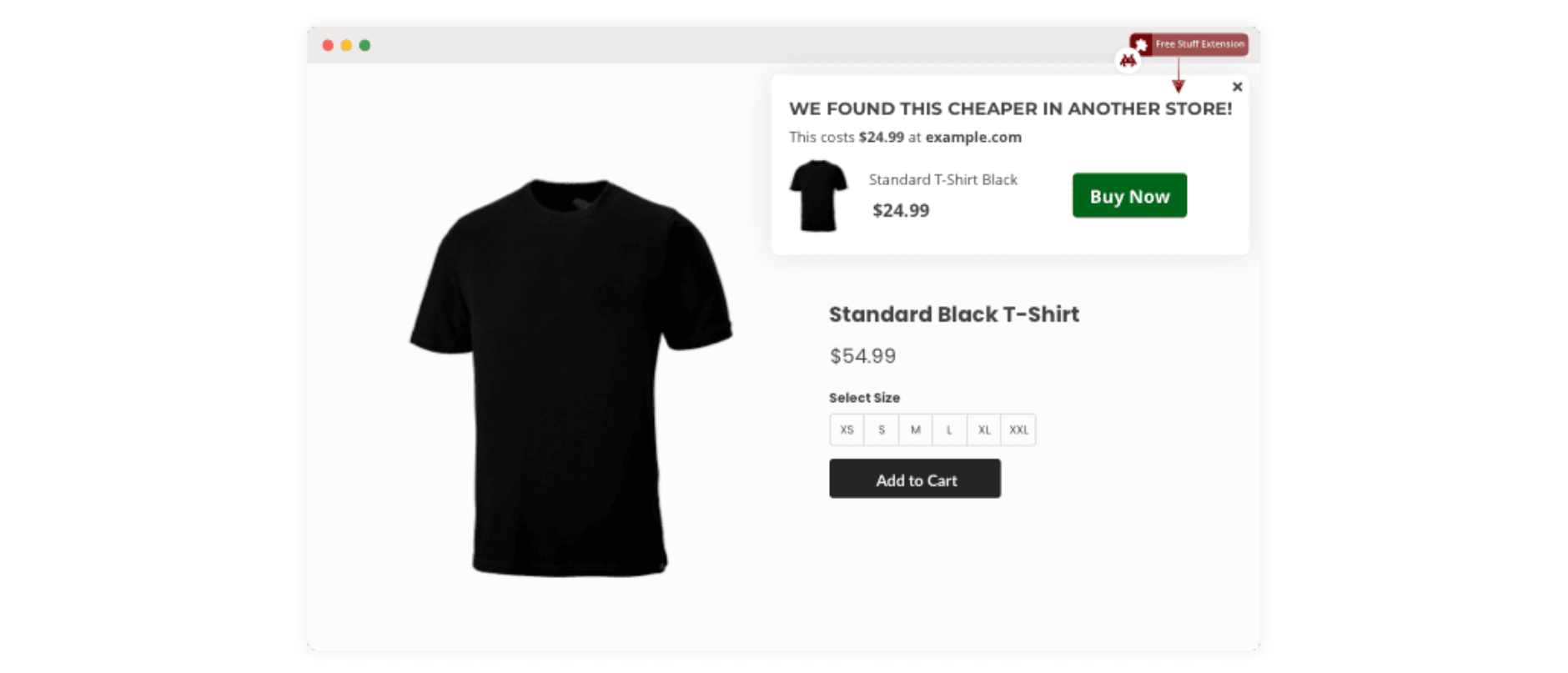
When the user is browsing an e-commerce website, they will typically be shown a price comparison pop-up, a coupon code, or anything similar directly on the page.
Then, if the user clicks on any of those, they will be directed to a competitor’s website, abandoning the website they were browsing.
What are the consequences of a Customer Journey Hijacking attack?
These attacks impact conversion rates by hurting the sales volume of the affected websites.
Up to 5% of shopping sessions are affected by Customer Journey hijacking, which, in such a demanding time as is the case with the holiday season, can represent quite a significant loss of revenue.
How does a Customer Journey Hijacking attack happen?
Behind the scenes, these attacks require changing the interface shown to the end user, so they require access to the website.
But how? Because of how websites and browsers work, accessing and changing a webpage’s content (webpage tampering) is entirely feasible.
Attackers typically rely on browser extensions. This happens because browser extensions are often given full permission to read and change data on every website the user visits.
How to Prevent a Customer Journey Hijacking Attack
Preventing customer journey hijacking requires a solution that can detect and block hijacking attempts in real time.
Jscrambler Webpage Integrity (WPI) detects and blocks Customer Journey Hijacking in real time, regardless of how the attack is deployed.
WPI runs in every user session and cross-checks multiple sources, including page resources, DOM changes, and code poisoning.
Once WPI detects a hijacking attempt, it blocks it using a powerful rules engine, preventing the attack from actually unfolding.
WPI effectively mitigates all customer journey hijacking attempts and directly results in an increase in conversion rates and sales.
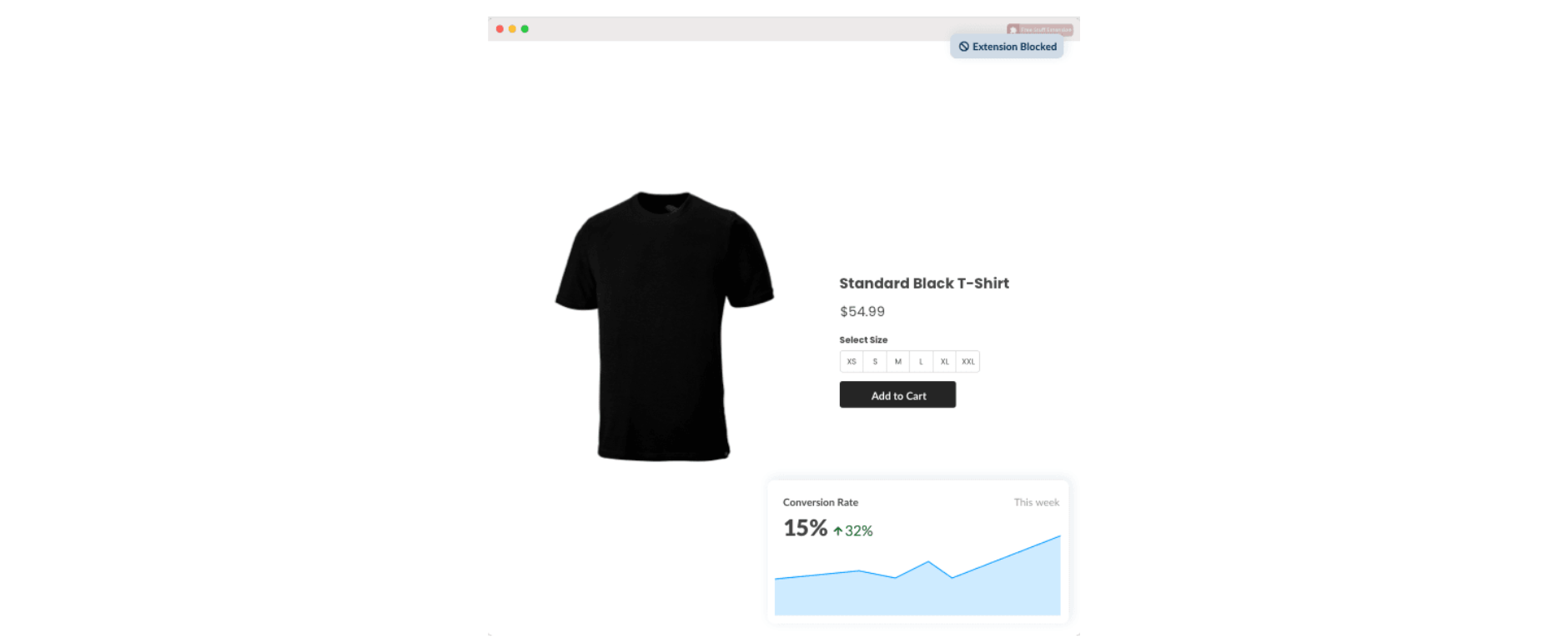
To check if your website is being impacted by these hijacking attacks, request our free website security audit.
It includes an overview of your website’s exposure to this threat and detailed security insights you can share with your security team.

