


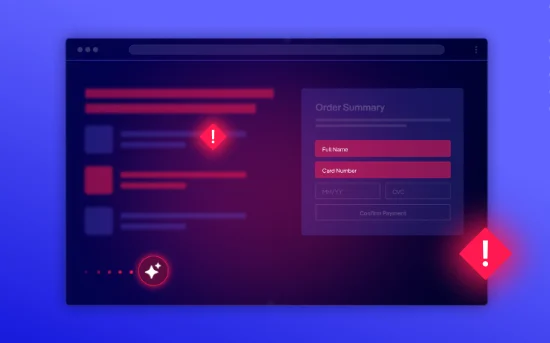
Why Traditional Security Fails at Browser Runtime
As development teams rapidly adopt generative AI and deploy complex client-side logic, standard network firewalls and WAFs remain completely blind to threats executing directly inside the browser environment.
AI-Generated Code & Secrets Exposure at Runtime
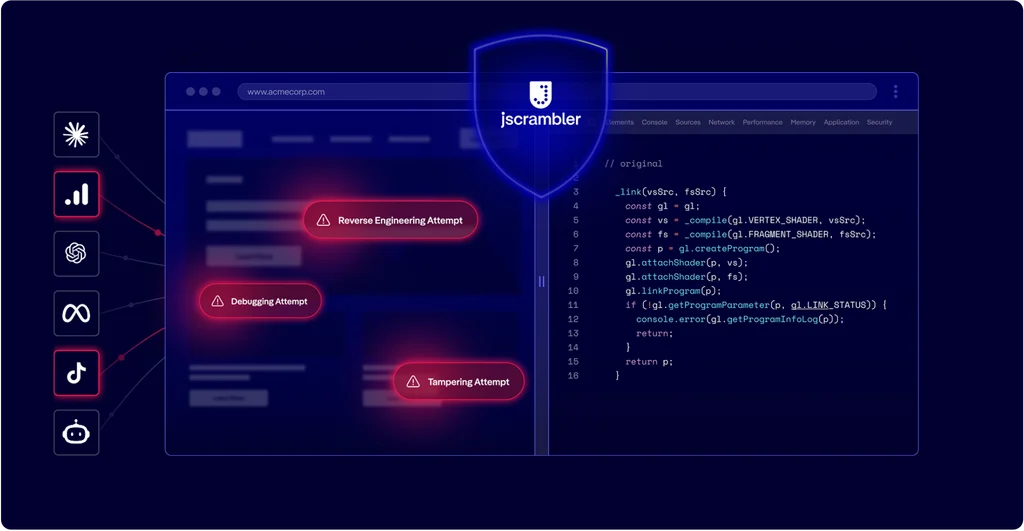
AI coding assistants (Copilot, ChatGPT Code Interpreter) routinely embed proprietary business rules, internal API endpoints, and sensitive prompt templates directly into client-side JavaScript, WebAssembly, and browser memory.
LLM-Assisted Reverse Engineering & IP Theft
Modern adversaries no longer manually deobfuscate source code. Automated LLM scrapers and AI decompiler tools instantly deconstruct, map, and re-engineer proprietary client-side algorithms, allowing competitors or malicious actors to clone IP.
AI-Powered Third-Party Script Data Harvesting
Third-party web scripts running in your customer’s browser DOM (analytics, chat widgets, marketing pixels) leverage rogue AI capabilities to continuously scan forms, read keystrokes, and quietly exfiltrate PII to third-party AI models.
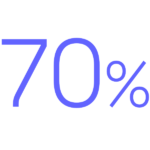
of code produced by AI coding agents gets rejected before shipping
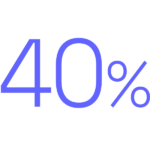
of all web traffic is driven by automated attacks, many now powered by LLM-driven pipelines

External scripts, including AI-powered ones, on average load during a single user session
Defend Your Browser Runtime Against AI Threats
Build resilience where execution happens. Jscrambler’s advanced runtime protection secures your application code, shields proprietary logic, and governs third-party script behavior in real time.
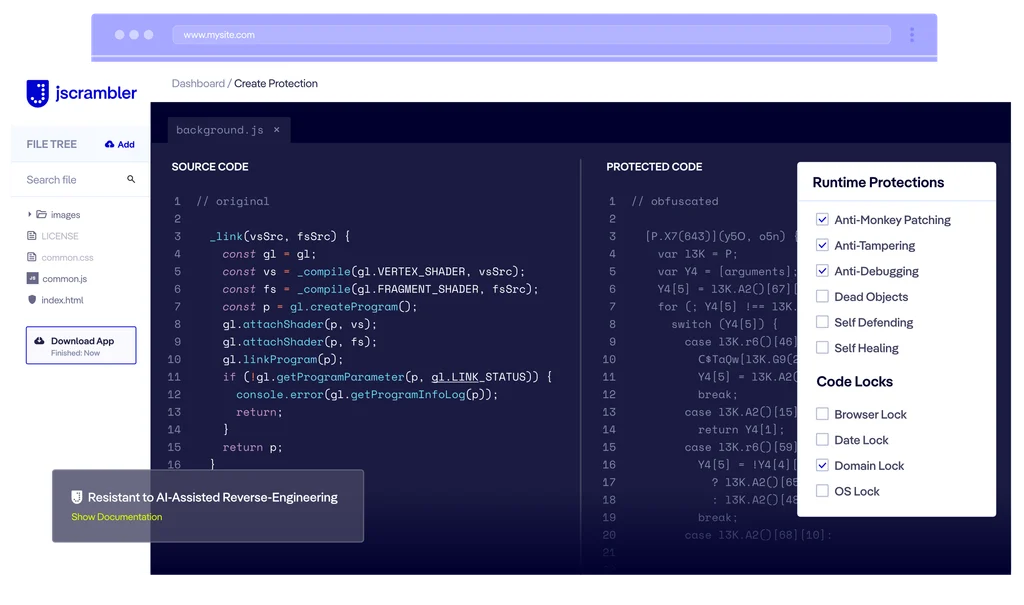
AI-Generated Code Protection at Runtime
Obfuscate and safeguard AI-generated code, dynamic UI components, and internal API secrets executed in browser memory to eliminate unauthorized data exposures.
- Polymorphic Code Transformations
- Runtime Protection
- Anti-Debugging & Tamper Resistance
LLM-Resilient Code & IP Protection
Shield client-side application logic against automated AI scrapers and LLM-driven reverse-engineering bots designed to clone proprietary models and algorithms.
- LLM Parser Disruption Control
- Control Flow Flattening
- Proprietary IP Anti-Cloning
AI Script & Data Governance
Continuously inspect and neutralize rogue third-party scripts that attempt to use hidden browser hooks to exfiltrate private user inputs to external LLMs.
- Real-Time Script Behavior Isolation
- Form-Data & PII Exfiltration Blocking
- Compliance & Data Privacy Guardrails
Join The Security Leaders Protecting Their Browser Runtime

What Is Your AI Agent Reading Before Your User Types a Prompt?
Read Now_
Jscrambler Enhances Code Integrity Product to Be LLM-Resilient
Read More_
LLMs Just Made Your IP Easier to Steal: Here’s the Fix
Read More_
FlippingBook Ensures its Code is Protected from Tampering and Reverse Engineering
Read More_AI Is Changing How Code Gets Built, and How It Gets Exposed
AI coding assistants are generating, copying, and shipping code faster than teams can review it, often with no clear owner. At the same time, attackers are using LLMs to scale their own operations. Join Pedro Fortuna and Gareth Bowker as they break down the AI-generated code exposure problem, share the latest LLM-driven attack trends from their research, and outline a practical way to stay in front of them.

AI Builds It, AI Breaks It: Inside the New Client-Side Attack Surface
Live Webinar · Dec 3rd, 2026 · 5pm CET | 11am EDT · 60 min
What You’ll Learn
- The AI-generated code exposure problem. Why ownership, review, and dependency scrutiny aren’t keeping pace with AI-assisted development.
- What that code does in the browser. Why build-time risks, including the third-party scripts and dependencies AI-generated code pulls in, only surface at the point of creation: the browser runtime, in live user sessions.
- Where these threats are heading. How Pedro and Gareth expect the AI-driven attack surface to evolve, and why traditional review and detection practices weren’t built for it.
- How to adopt AI safely. Jscrambler’s position on protecting application logic against LLM-driven analysis and governing what code is allowed to do in the browser at runtime.
Meet the speakers



Can’t make it live? Register anyway, and we’ll send you the recording.